

Prof. Prakash Chandra Pattanaik
A career devoted to teaching, research, language, literature and the study of India’s diverse cultural traditions.
Comparative Literature · Linguistics · Culture Studies · Folklore & Tribal Lore · Research Methodology · Fieldwork & Documentation
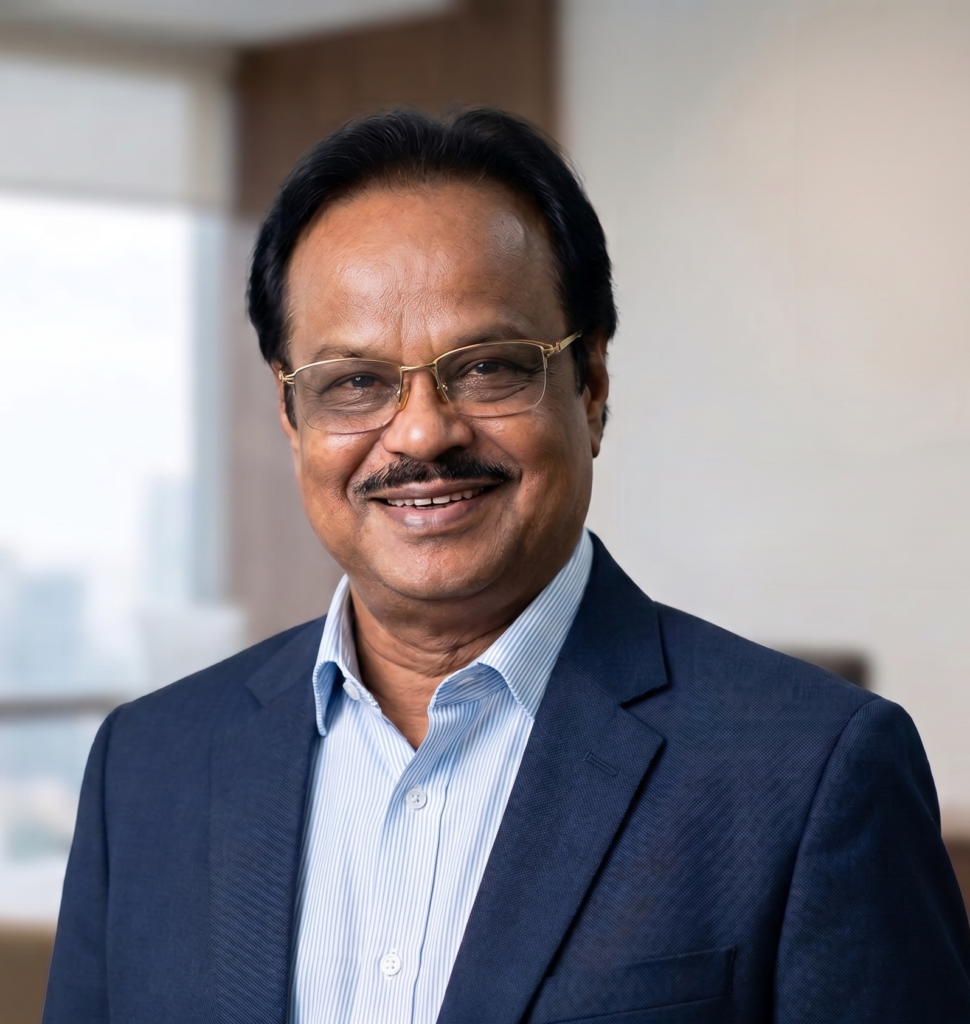
Introduction
Prof. Prakash Chandra Pattanaik is an academic, researcher and educator whose career spans 35 years of teaching and research at the University of Delhi.
His academic work has brought together comparative literature, linguistics, culture studies, folklore and tribal studies, research methodology and field-based research. His doctoral research, completed at Utkal University in 1984, examined the socio-linguistic dimensions of the Juang tribe of Odisha.
Over the course of his academic career, he taught undergraduate, postgraduate, M.Phil. and Ph.D. courses, supervised doctoral research, led research programmes and participated in academic and institutional initiatives across India.
At the University of Delhi, he progressed through the academic ranks from Lecturer to Senior Professor, while also serving as Head of the Department of Modern Indian Languages and Literary Studies during multiple terms.
His experience in guiding researchers and working across disciplines forms an important part of the academic foundation of Smart Research Solutions.
Academic Journey
From scholarship to mentorship.
Prof. Pattanaik’s academic journey has developed across more than four decades—from his early work in linguistics and language education to a sustained career in comparative literature, folklore, tribal studies, research and higher education.
M.A. — Utkal University
Completed his Master’s degree in Odia Language and Literature at Utkal University.
Ph.D. — Utkal University
Completed his doctoral research in Linguistics.
Thesis: “A Socio-linguistic Study of Juang Tribe”
The doctoral work established an early connection between language, community, culture and field-based research.
University of Delhi
Joined the University of Delhi as a Lecturer, beginning a 35-year academic career centered on teaching and research.
1987-1992 – Lecturer
1992-1998 – Senior Lecturer
1998-2006 – Reader
Advanced Study in Applied Linguistics
Completed a two-year Postgraduate Diploma & Advanced Diploma in Applied Linguistics at the University of Delhi.
His studies included General Linguistics, Phonetics, Language Teaching, Syntax, Phonology, Psycholinguistics and Stylistics, together with a dissertation.
Professor — University of Delhi
Appointed Professor in the Department of Modern Indian Languages and Literary Studies.
27 July 2006 — 17 July 2022
His academic specializations included Comparative Literature, Linguistics with a focus on tribal languages, and Culture Studies, with particular interest in the folklore and tribal lore of India.
Head of Department
Served as Head of the Department of Modern Indian Languages and Literary Studies, University of Delhi, across multiple terms.
During his administrative and academic leadership, he was also involved in research programmes, academic committees, institutional governance and national-level academic initiatives.
Research Leadership
Served as Coordinator of the UGC DRS Programme in the Department of Modern Indian Languages and Literary Studies, University of Delhi.
His research leadership included work in Indian folklore and tribal lore, including the development of research resources and projects in these areas.
Senior Professor
Served as Senior Professor at the University of Delhi from 18 July 2018 to 30 April 2022, while continuing his academic career in teaching and research.
Retirement from the University of Delhi
Retired from the University of Delhi after a 35-year teaching and research career.
His academic work continued through research, lectures, academic engagement and the development of Smart Research Solutions.
Academic Experience
A career built around research and researchers.
Across his teaching career, Prof. Pattanaik taught at undergraduate, postgraduate, M.Phil. and Ph.D. levels.
His courses included Comparative Indian Literature, Folk and Popular Culture, Comparative Literature: History, Theory and Methods, Oral Tradition and Tribal Literature, Research Methodology and Methods of Research.
Research & Scholarship
Research across language, literature and culture.
Prof. Pattanaik’s research has extended across disciplines and communities, with particular emphasis on Indian folklore, tribal lore, language, literature, culture and field-based research.
His work includes research on tribal cultures and languages, oral traditions, comparative literature, indigenous cultures and the relationship between language and society.
His doctoral research examined the Juang tribe of Odisha, while later research and fieldwork extended to communities and traditions across Eastern and North-Eastern India, including the Lepcha, Naga and other tribal communities.
Research in the Field
Beyond the Library.
For Prof. Pattanaik, research has also meant engaging directly with communities, languages and cultural practices.
His fieldwork has included research in Manipur, Sikkim, Kalimpong, Darjeeling, Assam and tribal regions of Odisha, covering subjects including folklore, language, cultural practices and indigenous traditions.
Maru Festival of the Poumai Nagas, Manipur
Cultural Mapping Of the Lepchas of the Darjeeling
Lepcha folklore research, Kalimpong
Lepcha folklore research, Sikkim
Culture and folklore research among the Missing and Dehuri tribes of Assam and tribal regions of Odisha.
Research Guidance
Mentoring the next generation of researchers.
A defining part of Prof. Pattanaik’s academic career has been research supervision.
His teaching and research guidance has extended across Linguistics, Odia literature, Assamese language and literature, folklore, English literature, cultural studies and performance studies.
He supervised 28 doctoral researchers under the Ph.D. programme, alongside post-doctoral and M.Phil. research.
At SRS Research expertise becomes most valuable when it can be shared.
SRS carries this principle forward by bringing academic experience, research methodology and practical guidance together for today’s researchers.
Selected Scholarship
Books & Publications
Prof. Pattanaik’s published work includes books and edited volumes addressing tribal culture, folklore, literature, language and cultural studies.
Against All Odds — 35 Years in Delhi University: Challenges and Perspectives
2022Tribes of India: Identity, Culture and Lore
2007 · Edited with BorahEssays on Narratives in Oriya
2005Indian Folklore
2001 · Edited with GoswamiTribal Culture of Odisha and Juang
1985His publication record also includes articles and papers on Lepcha language and culture, tribal lore, comparative literature, oral traditions, Indian languages and cultural studies.
The existing page includes a “View Selected Publications” label without a confirmed external destination; this can be linked when that destination is ready.
Research Projects
From scholarship to large-scale research.
His research career has included major research projects and academic initiatives supported by national institutions.
- e-PG Content Development for Comparative Literature — Principal Investigator under the UGC and MHRD e-Pathshala project.
- A Study of Tribal Myths of Odisha — Major research project under the UGC Career Award scheme.
- Tribal Lore of Orissa: Common Culture Contents — Major UGC research project.
- Cultural Mapping of the Lepchas of Darjeeling District of West Bengal and Sikkim
Academic Leadership
Beyond teaching and research.
Prof. Pattanaik’s academic career has also involved significant institutional and professional responsibilities.
He has served in roles including Head of Department, academic council member, governing-body leadership, UGC expert committees, NAAC peer review, curriculum and syllabus committees, research committees and academic advisory bodies.
His academic engagements have extended across universities and institutions throughout India, as well as lectures and academic visits to the United Kingdom, Malaysia and Singapore.
Recognition
Recognition for Academic Contribution.
- Career Award — University Grants Commission, 1994
- REN (SIR) title — Mayel Lyamg Development Board & Indigenous Lepcha Tribal Association, 2015
- Honoured by ZSAS, Karbi Anglong, Assam, for research on Karbi culture and folklore, 2008
- P.G. Merit Scholarship — Government of Odisha, 1977–79
From University to SRS
A new chapter in research education.
After a 35-year academic career at the University of Delhi, Prof. Pattanaik retired as Senior Professor in 2022.
Two years later, in January 2024, Smart Research Solutions was established with a clear purpose: to help address the gap in quality research education that he had observed during his academic career.
The idea was straightforward.
The knowledge gained through decades of teaching, research supervision and academic work should not remain within the university. It should be made accessible to a wider community of researchers and learners.
SRS carries that experience into a new setting—bringing together research education, research guidance and practical academic support.
From the university classroom to a wider research community.
35 years of academic experience.
Decades of research.
Hundreds of researchers guided.
A new platform for the next generation.
Experience becomes guidance.
The foundation of SRS is not simply academic qualification.
It is the accumulated experience of teaching researchers, supervising research, conducting fieldwork, leading academic programmes, studying complex questions and communicating ideas across disciplines.
That experience shapes how SRS approaches research education and consulting today.
- Ask better questions.
- Choose methods thoughtfully.
- Respect the evidence.
- Understand what the data tells you.
- Communicate your research clearly.
This is the academic foundation on which SRS is being built.
Better research begins with better thinking.
Explore how SRS brings academic experience into research education, guidance and consulting.